Theo Günther · 12 September 2026
Examining Indexation Efficiency in Multi-Domain Portfolios Through Integrated Dashboards
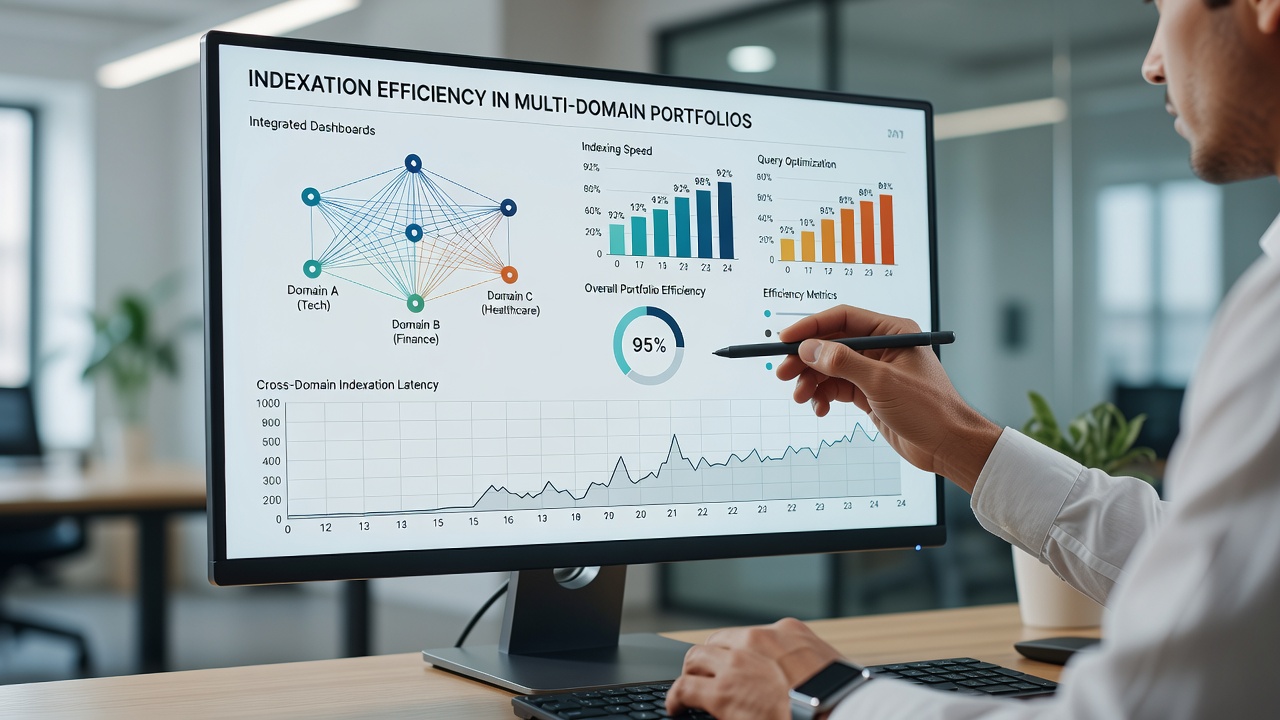
Indexation efficiency measures how quickly and completely search engines include pages from multiple domains in their results, and integrated dashboards have become central tools for monitoring this process across large portfolios. These platforms combine data streams from various domains into single interfaces that track crawl rates, indexing status, and visibility metrics in real time. Portfolio managers rely on such systems to identify gaps where certain domains lag behind others in search engine recognition.
Core Components of Indexation Tracking
Multi-domain portfolios often span dozens or hundreds of sites that serve different languages, regions, or product lines, which creates varied indexing patterns because each domain may face distinct technical constraints or content quality signals. Integrated dashboards pull information from sources including server logs, search console data, and third-party crawlers to present unified views of these patterns. Researchers at the Massachusetts Institute of Technology have documented how unified data layers reduce the time required to detect indexing delays from weeks to hours in enterprise environments.
Key metrics displayed on these dashboards include the percentage of submitted URLs that receive indexing confirmation, average time between crawl and indexation, and differences in performance across domain groups. Data shows that portfolios using centralized monitoring achieve higher consistency in index coverage compared with those relying on separate tools for each site. And when issues arise, such as sudden drops in indexed pages on one domain, the dashboard highlights the affected cluster immediately so teams can investigate server response codes or content duplication problems without switching between multiple consoles.
Implementation Patterns Observed in 2026
In September 2026 search engine algorithm adjustments prompted many organizations to reconfigure their dashboard filters to prioritize mobile-first indexing signals across all domains simultaneously. This shift revealed that sites with synchronized technical setups maintained steadier indexation rates while those with fragmented hosting arrangements experienced temporary dips. Integrated systems allowed teams to compare these outcomes side by side and apply corrections at the portfolio level rather than domain by domain.

Workflows typically begin with automated URL submission queues that feed into the dashboard, followed by scheduled scans that flag URLs still awaiting indexation after defined thresholds. Observers note that successful implementations often incorporate alert rules based on historical benchmarks for each domain cluster, which helps distinguish normal fluctuations from genuine problems. One study from the OECD digital economy reports indicated that organizations applying these benchmark-driven alerts reduced unindexed content backlogs by measurable margins within quarterly review cycles.
Data Integration Challenges and Solutions
Connecting data from diverse domains requires standardized APIs and consistent tagging conventions so that metrics remain comparable even when underlying platforms differ. Teams that establish uniform parameter naming across all properties find that dashboard queries run faster and produce fewer mapping errors. External sources such as OECD digital economy reports provide additional context on regional indexing variations that can be layered into the same interface for broader analysis.
Security considerations also shape how data flows into these dashboards, since access credentials for multiple search consoles must be managed centrally without creating single points of failure. Encryption protocols and role-based permissions ensure that analysts view only the domains relevant to their responsibilities while still benefiting from portfolio-wide trend lines. When these safeguards are in place, the resulting visualizations support quicker decisions about content updates or technical fixes that improve overall indexation efficiency.
Conclusion
Integrated dashboards consolidate scattered indexing data into actionable formats that support consistent oversight of multi-domain portfolios. As search engine requirements evolve, the ability to view performance across all properties in one location continues to influence how organizations allocate resources for technical maintenance and content optimization. The factual patterns emerging from current implementations point toward sustained reliance on these systems for maintaining competitive visibility in search results.