Klara Perry · 10 October 2026
Decoding Crawler Prioritization Signals Across Interconnected Digital Assets During Updates
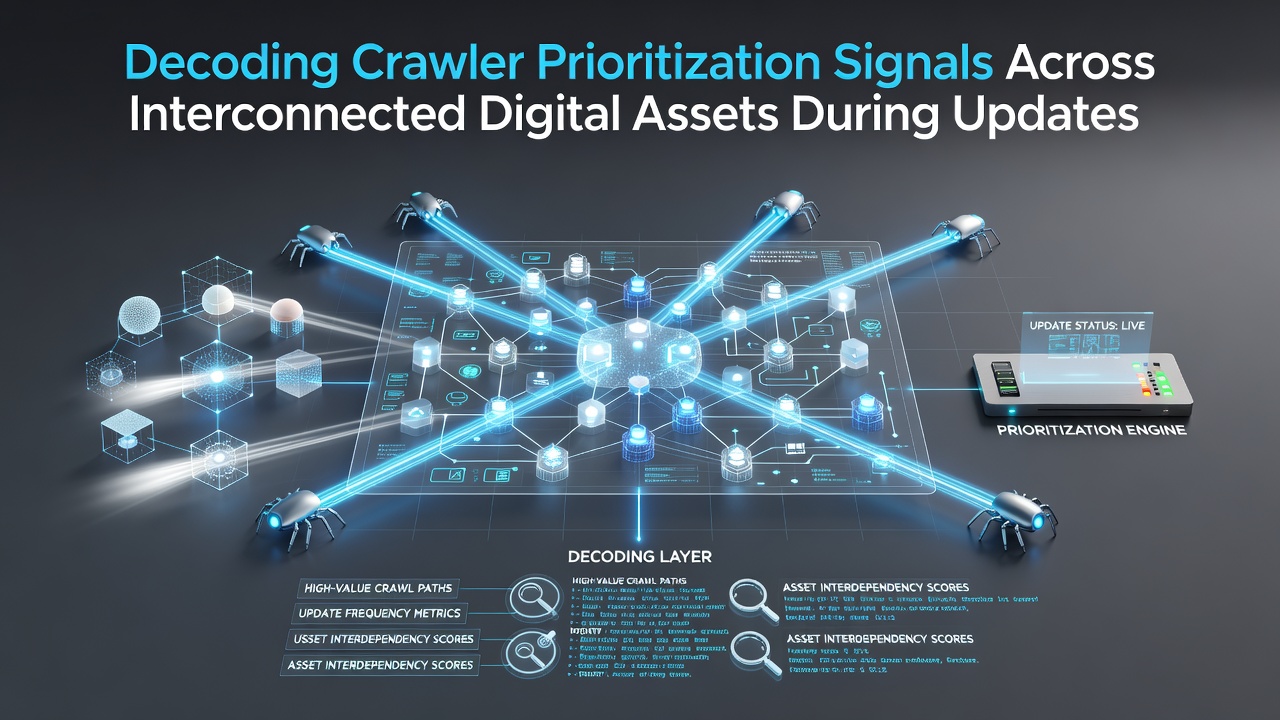
Search engine crawlers process prioritization signals across networks of related websites by evaluating content freshness, internal link structures, and external authority markers at the same time, and this evaluation intensifies whenever platforms roll out updates that alter indexing queues. Observers note that interconnected digital assets often share ranking factors through shared hosting environments, common content management systems, and overlapping backlink profiles, which allows crawlers to assign relative importance based on how each asset responds to changes in crawl budget allocation.
Core Signals That Shape Crawler Decisions
Technical indicators such as server response times, XML sitemap completeness, and robots.txt directives combine with content-level markers like update frequency and semantic relevance, while crawlers weigh these elements together rather than in isolation. Data from multiple site portfolios demonstrates that assets updated in coordinated batches receive higher crawl rates because the systems detect patterns of synchronized improvement across domains, and this pattern recognition becomes more pronounced after major infrastructure shifts.
Researchers have tracked how mobile-first indexing priorities interact with desktop signals when multiple properties belong to the same entity, and the resulting hierarchy influences which pages enter the primary index first during periods of heightened activity. Figures reveal that sites maintaining consistent structured data across domains tend to retain stronger prioritization even when one asset undergoes significant redesign, because the shared schema helps crawlers maintain continuity in understanding entity relationships.
Impact of Updates on Multi-Asset Networks
Algorithm adjustments released in October 2026 prompted many network operators to reassess how individual properties communicate value to crawlers, and those operators discovered that isolated updates on single domains sometimes diluted signals that previously supported the entire portfolio. When one asset introduces new navigation elements or content clusters, crawlers often re-evaluate neighboring domains to check for corresponding improvements, which creates ripple effects that either strengthen or weaken overall visibility depending on the consistency of those changes.
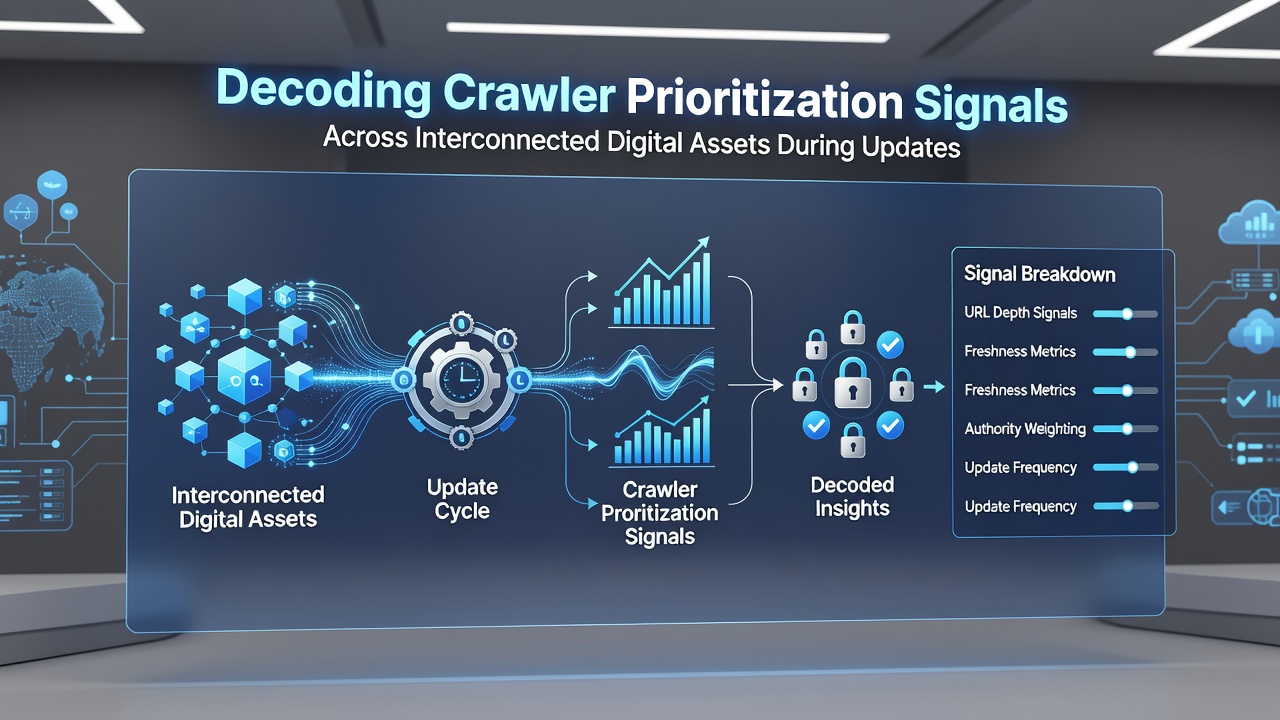
Internal linking architectures play a decisive role because crawlers follow established pathways to distribute crawl resources, and any update that modifies these pathways can shift priority away from previously favored pages. Evidence shows that portfolios employing centralized dashboards for monitoring indexation status across domains achieve faster recovery after disruptions, since the unified view helps identify which assets are receiving reduced attention from automated systems.
Methods for Monitoring Signal Strength
Log file analysis combined with API data from search console tools provides quantitative insight into how often crawlers visit each asset and which resources they request most frequently, and operators who integrate these datasets across multiple domains gain clearer pictures of prioritization patterns. Studies conducted by academic teams at institutions in Canada and Australia have examined how shared technical configurations affect crawl distribution, revealing that assets hosted on the same IP ranges sometimes experience correlated indexing behavior during update cycles.
One documented case involved a European research group that mapped signal decay across thirty interconnected properties after a core algorithm revision, and the findings indicated that assets with stronger external citation profiles maintained higher crawl frequencies even when internal signals weakened temporarily. European Commission reports on digital infrastructure further outline how regulatory frameworks around data accessibility influence the technical signals that crawlers can reliably access across borders.
Adjustments During Coordinated Updates
Teams responsible for large digital portfolios often stage updates across assets in sequence rather than simultaneously, allowing crawlers time to process changes without overwhelming available resources, and this sequencing helps preserve established prioritization hierarchies. When simultaneous updates become necessary, careful monitoring of server logs reveals whether certain assets are being deprioritized, which enables targeted corrections before ranking fluctuations occur.
Shared authority markers such as consistent branding elements and cross-domain references continue to support signal transmission even after individual assets receive new content management systems, because crawlers recognize these persistent connections as indicators of ongoing relationship strength. Data collected from North American industry analyses shows that portfolios maintaining uniform security protocols across domains experience fewer interruptions in crawl access during transition periods.
Conclusion
Effective management of crawler prioritization across interconnected digital assets requires continuous observation of both technical and content-based signals, especially when updates alter the underlying infrastructure that connects those assets. Organizations that track these interactions through integrated monitoring systems position their portfolios to respond more efficiently to shifts in how automated systems allocate attention, and the resulting stability supports sustained visibility across the network of properties.